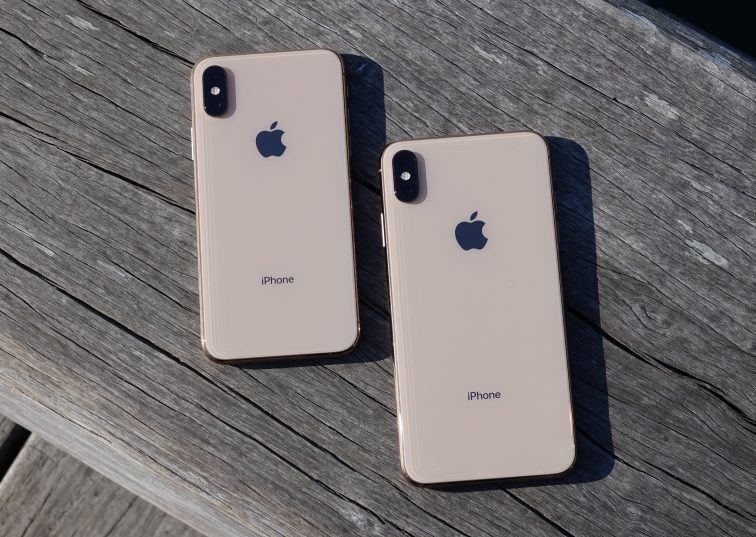
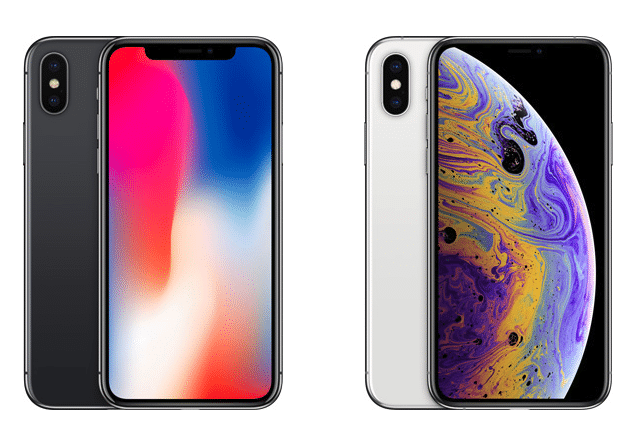
It’s no secret that Apple is a pioneer when it comes to setting trends for multiple gadgets for the following year. They’re annual keynote where the announce the “latest and greatest” iPhones shapes how other manufacturers design their next phones. Even the most devoted Android fanatics watch this keynote, and everybody waits for what the only Trillion-Dollar behemoth has to offer. Therefore, it’s disappointing what Apple has been doing in the past few years with these releases. The iPhone Xs comes as an upgrade to last year’s flagship, the iPhone X. The word “incremental” seems too much to describe this update. The changes include a spec bump from the A11 Bionic chip to the A12 Bionic and from 3GB of RAM to 4GB of RAM and a better camera. Except this, the phone keeps the 5.8 inch OLED screen from the X, an overall similar footprint and exactly the same outer body.
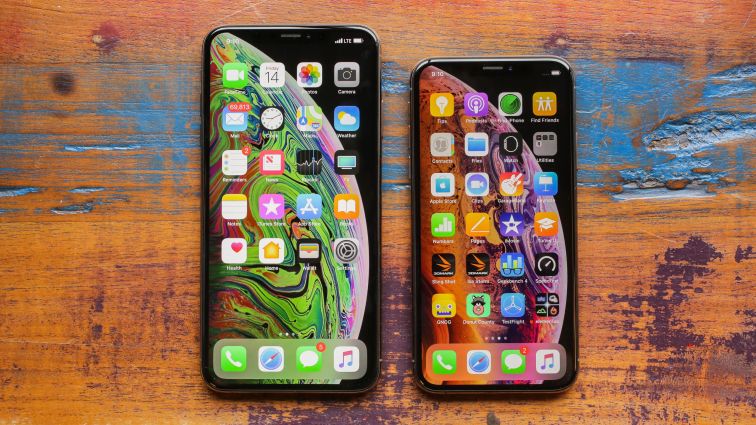
After the launch of iOS 12, the spec bump seems slightly redundant, because it enables earlier iPhones to run way smoother than earlier. The optimization added by this update seems to have cornered Apple in a sense that the iPhone X now performs almost identically to the Xs. The camera also shows a fair number of upgrades, but most of these are software based. If these updates seep their way down to the previous gen iPhones, it leaves practically zero reasons to buy the new iPhone Xs other than the new Gold Colour, or a $1000 burning a hole in your pocket (and it probably still isn’t worth the money). Compared to this, the iPhone Xs Max seems to be a legit upgrade, right? A way bigger screen at 6.5 inches, with a bigger battery, up to half a Terabyte of storage, powered by the best chip made by Apple, seems like a great deal. WRONG! Sure, the iPhone Xs Max serves ore purpose in 2018 as a flagship, with more battery life and a bigger screen, but the ₹144900 ( $2005 by direct conversion) price tag in India just seems absurd. Even in markets like the USA, at a price of $1449, the iPhone Xs is just not for everyone. Given this price point, one may correctly assume that the phone would provide expandable storage, or the flexibility of a fingerprint scanner, or a stand-out feature like the Samsung Note Series’ S Pen. But all this phone is is an enlarged iPhone Xs which will cost just slightly lesser than a bike. Apple’s keynote talks about these phones are “path-breaking” and “revolutionary”, and I believe that a company like Apple has the power to make phones that validate those adjectives, rather than use those words as mere marketing mumbo-jumbo.
The sad truth is that Apple holds back these products in so many places where it could’ve AND should’ve provided a better experience to the end user. Things like the proprietary fast charger and the lightning-to-3.5mm dongle not being included in the box show that Apple has a vision where its aims for the product outweigh the end user experience. Many other companies like Samsung too have a similar mantra, but Apple’s implementation seems somewhat rigid and this is what brings in most of the hate that is directed towards its products. Apple is one of the few companies with the minds and the resources, and an overall control over their products (both over hardware and software) to implement some of the most cutting-edge technology that science has to offer. Instead, they decide to wait many years until they finally implement these ideas, which by then turn into a norm amongst Android flagships.
It would seem absurd for a company like Apple to continue this strategy, especially at a time where Android phones like the Poco F1 from Xiaomi and the Honor Play from Huawei’s sub-brand Honor seem to be offering flagship specs for less than ₹25,000 (~ $350). So the whole situation seems bad. And we expect Apple to understand what we think about their new phones. But we’re also going to still keep buying these phones. Even with the gargantuan price tag compared to other flagships, Apple was the highest selling smartphone brand in the premium segment in Q2, 2018 in India. It held 88% of the market share in this segment, despite the latest phones being sold by it during this time period being 6-7 months old and being only 2-3 months away from becoming obsolete. Despite new launches from Samsung with its flagship S series, the Trillion Dollar Mammoth doesn’t seem to be slowing down. The contrast in the distrust of Apple amongst tech enthusiasts and common consumers alike and their sky-rocketing sales show that until and unless WE stop accepting what’s being given to us, Apple is bound to continue selling us their “$1000 dollar Emoji Machines”, and there’s gonna no stopping them. The Apple “Ecosystem” that so many reviewers talk about, is gonna keep pulling people in, and there will be more pointless products like the HomePod which won’t make sense to the rest of us, but Apple will sell anyway.
 ZETA BYTE