The holiday season is almost here. That means online sales and smartphone launches. Alongside the much awaited Google Pixel 3 and the fan favorite OnePlus 6T, other exciting launches include the Huawei Mate 20 and Mate 20 Pro, powered by the HiSilicon Kirin 980, the first (TSMC based) 7nm chipset, which was announced earlier this year. We might also see the Red Hydrogen Phone, with the holographic screen, and a pro camera level sensor on board a handheld device.
Despite a wide range of trends among smartphones, like the notched display, and many more companies ditching the 3.5mm headphone jack, 2018 has certainly been the year of gaming smartphones. The trend started last year after the global gaming hardware manufacturer Razer announced their first smartphone, the Razer Phone. In a world where manufacturers were busy trying to make their phones as thin and light as possible, this boxy “chunk of metal” was a refreshed perspective on a smartphone, mostly because most features that make a smartphone better for gaming also make it a better phone overall.
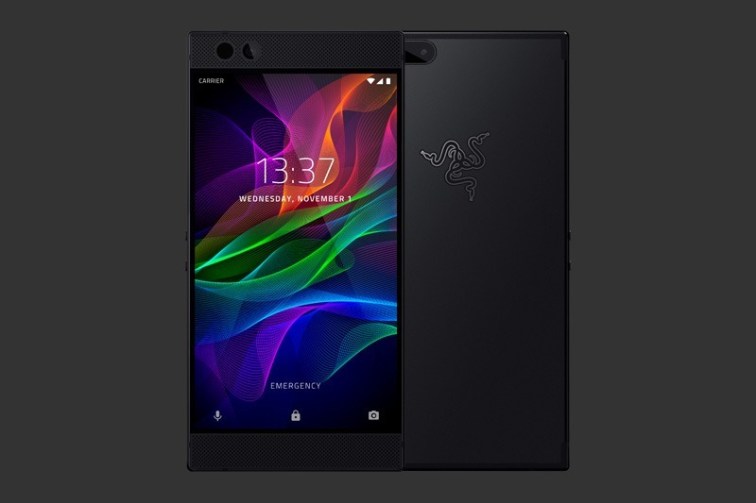
The Razer Phone had a rectangular body, with sharp edges. It embraced large bezels but added what seemed to be the loudest front-firing dual speakers in a smartphone. It had a 5.7inch LCD display, the first in the world with a 120Hz refresh rate. This meant buttery smooth animations on the phone. It packed the highest end specs for its time, the Snapdragon 835 paired with 8 GB of RAM. Even though it didn’t have the best camera in the world, it paved the way for many more brands to launch dedicated gaming phones.
This year, another smartphone brand, Asus, launched their gaming phone under their Republic of Gamers brand. This was a more outlandish phone, even when compared to the Razer Phone. With a full-blown RGB theme, a total of 3 USB-C ports, a dedicated heatsink, AND a headphone jack, paired with a 90Hz AMOLED screen. It is powered by an overclocked version of the latest Snapdragon 845, coupled with 8 GB RAM, and with a mammoth 4000mAh battery and up to HALF A TERRABYTE of storage, this seems like the total package.
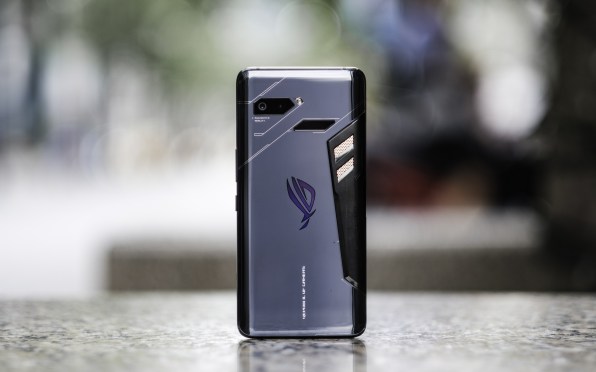
Along with this already absurd spec list, ASUS has decided that they’re gonna add an additional AeroActive Cooler, a plug-in cooling solution which adds a headphone jack to the side of the phone along with another USB-C port for additional accessories. This impressive offering from ASUS is expected to launch by the end of this year, but with a price tag of over ₹65000(~$950), it may not be for everybody. ENTER BLACK SHARK.
By the end of April this year a phone called the Black Shark went on sale. Loaded with flagship specifications, including the Snapdragon 845, up to 8 GB of RAM, up to 128GB of storage and a giant 4000mAh battery. It had additional liquid cooling and an aggressive look and it became fairly obvious that it was yet another addition to the now growing family of gaming smartphones.
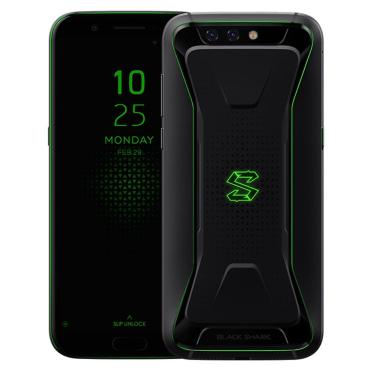
What caught the eyes of many users hungry for powerful phones was the price tag on this device. Starting at about ₹33000(~$479) for the 6/64 variant and the fully maxed out variant selling for ₹39000(~$559), this gaming phone started to make a lot of sense to the gamers who didn’t want a hole in their pocket but still wanted the latest and greatest from the tech world. What came as a surprise was that this little brand was backed by the global tech giant Xiaomi, setting a tone that Xiaomi also wanted a share in this hot new market.
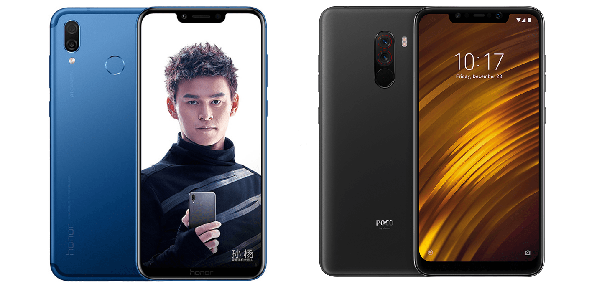
We don’t get to see many budget phones embrace this shift in the priorities given to certain aspects of a phone, but Huawei’s sub-brand seemed to be thinking differently. The Honor Play, a gaming-centric phone with flagship specs for almost minimum compromises was launched at a jaw-dropping ₹19999(~$285). It offered Huawei’s own flagship chipset, the HiSilicon Kirin 970 with up to 6GB RAM and 64GB of storage, expandable up to 512 GB and a great 370mAh battery. With an excellent display, above average camera with an AI Mode, great battery life, and a3.5mm headphone jack, this seemed to be a great offering.
Even Xiaomi’s Poco F1, which wasn’t branded as a gaming smartphone, but sported flagship specs like the Snapdragon 845, coupled with 6GB RAM and up to 128 GB inbuilt storage, backed by a 4000mAh battery, seemed to be a great choice. What’s better is that even at this price point, the new brand managed to add in liquid cooling, which only a couple of big brands have been able to pull off. With such great offerings at such a great price, it seems that the gaming smartphone trend a lot going for it. With some major players in the smartphone business putting some serious money and minds into its development, this category has the ability to shape the future of the entire smartphone industry.
Judging by the importance given to performance in the descriptions of all these phones, it becomes pretty obvious to us that these smartphones cater to the gamers and thus may not satisfy all the other criteria needed to be called “Flagships”. For instance, the cameras are an area where this general category seems to fall apart. The camera on the Razer Phone was the weakest pillar in what seemed to be an excellent foundation for a great phone. The ROG phone isn’t out yet, but seeing that its camera hasn’t been talked about much, it doesn’t seem wrong to think that its camera won’t be anywhere close to the Pixels and the iPhones of the world.
But as I have mentioned earlier, a lot of the ingredients that go into making a great gaming smartphone also add essence to what may be considered a good phone overall. Great displays help a massive deal in making your gaming experience more immersive, but are also great for consuming media content. Great front firing speakers make sure you don’t miss the sound of a bullet being fired at you in PubG, but they’re also great to properly enjoy the latest tunes that you want to listen to on the go. Great performance makes sure that you don’t lose any points in Asphalt 9 due to lag, but it also gives you a buttery smooth experience in your day-to-day phone activity. Great battery life means that you can stay away from the wall even when you’re playing graphic intensive games on your phone, but also ensure that your phone doesn’t die on you midway through the day.
Sure, these smartphones may not cater to the photographers and the selfie enthusiasts, of the world who care less about battery life and performance and more about which smartphone camera gets them their next “Most Liked” Instagram post. It’s all about priorities and about understanding what compromises we are willing to make.
All in all, gaming smartphones seem to be shaping the future of the smartphone industry by making better technologies the norm. Their ability to combine the best of performance and battery life make for extremely attractive alternatives to other more expensive phones and establishing the mantra of a successful phone to be “Get the basics right and you’ll get the customers”. With these 1st gen gaming smartphones getting so much attention, we can only hope for this trend to become more popular.
 ZETA BYTE