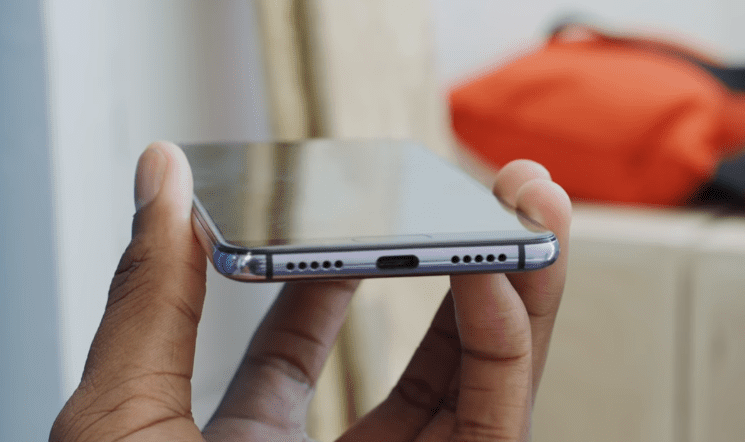
The past few years have seen some drastic changes to what may be seen as the traditional smartphone design. Some of these changes, like the transition to USB-C for faster, more efficient charging, and the reduction in the size of the bezels on phones for a more immersive experience, have been widely accepted and appreciated by the masses. Other changes, like the notch, for example, have been more controversial. Probably the most controversial change, however, is in my opinion, the removal of the headphone jack.
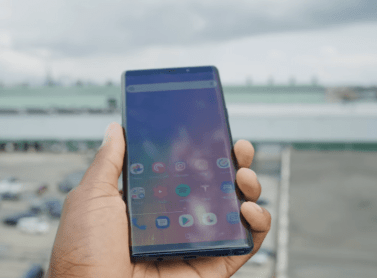
The headphone jack is one of the oldest IO ports that are still around and continues to still be implemented in most devices still coming out. The headphone jack in phones has been a standard since the emergence of smartphones. Even though similarly older ports like VGA have become almost non-existent now, the headphone jack continues to live on. In recent years, however, we’ve seen more and more phones drop the headphone jack. Manufacturers like Apple seem to be pushing towards a wireless future, by providing alternatives like the AirPods, while other manufacturers justify this move to create more space in their phones for other better technologies.
Apple was one of the first companies to embrace this change. They were faced with a lot of outrage for dropping the headphone jack, but in classic Apple fashion, they executed this drastic change with their iPhone 7. At the time, there were not many good lightning headphones in the market and the Bluetooth headphone market was saturated with more expensive products. This decision was mocked by manufacturers like Google and Samsung. But the truth is that when a company like Apple creates a product with such a drastic change, it is bound to change the dynamics of the all the related markets and industries. Today, 2 years later, most phones have dropped the headphone jack, since the beginning of this year, the most sold Apple product is the lightning to audio jack dongle, and Bluetooth headphones of decent quality can be bought for a fraction of the cost of what could be bought 2 years ago.
What most people don’t realize is that compared to the lightning port or the USB-C port, the headphone jack is a way bigger port and therefore takes up way more space inside the phone. Another major reason that manufacturers are dropping the headphone jack is to create more space for bigger batteries, more sensors and additional hardware features that customers want. With phones becoming slimmer with each iteration, manufacturers face the problem of cramming as much as they can into as little space as they can, all while ensuring quality and safety of the products. By removing a big port, they get way more valuable space to fit in better haptic engines, bigger batteries and better drivers for cameras, and also gives them the flexibility of being able to add additional features like stereo speakers.
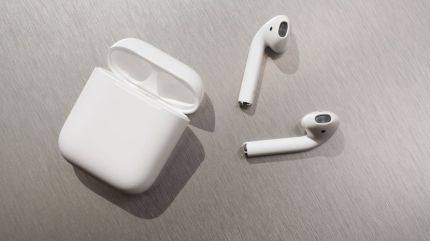
But finally, this move also enables these companies to create a new market for products. Personally, I believe that people buying an iPhone would rather buy a first party pair of wireless earphones, that was tailor-made to work better with the phone they just bought, even if they cost upwards of $150. This opens up a big window of sales for companies selling their own wireless headphones, and encourages the masses to buy more wireless headphones.
Just like most trends, Apple, the big dog in the smartphone industry has shaped the future of the headphone jack. The few companies that firmly seemed to keep the headphone jack have also accepted this fact (for example OnePlus, with the confirmation from Carl Pei, Co-Founder, that the 6T will not feature a headphone jack). It’s only a matter of time until all new smartphones come without a headphone jack.
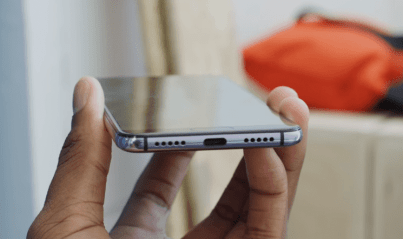
I believe it is truly time to say goodbye to the headphone jack. Even though companies like Samsung push the lifespan of the headphone jack, it is inevitable for it to be abandoned in the years to come. With wireless technologies taking over, and wireless accessories becoming better and cheaper than ever before, it only seems logical to get rid of the headphone jack. In that sense, we have already answered the question – To keep or not to keep the headphone jack? No. Maybe we will just have to get used to not having tangled earphones in our pockets.
 ZETA BYTE